
Combating AI Hallucinations: Protect Your Brand Reputation with GEO
MencionAI Blog Vinícius Guimarães de Oliveira
MencionAI Blog Jun 11, 2026 · 2 min read / Reputation
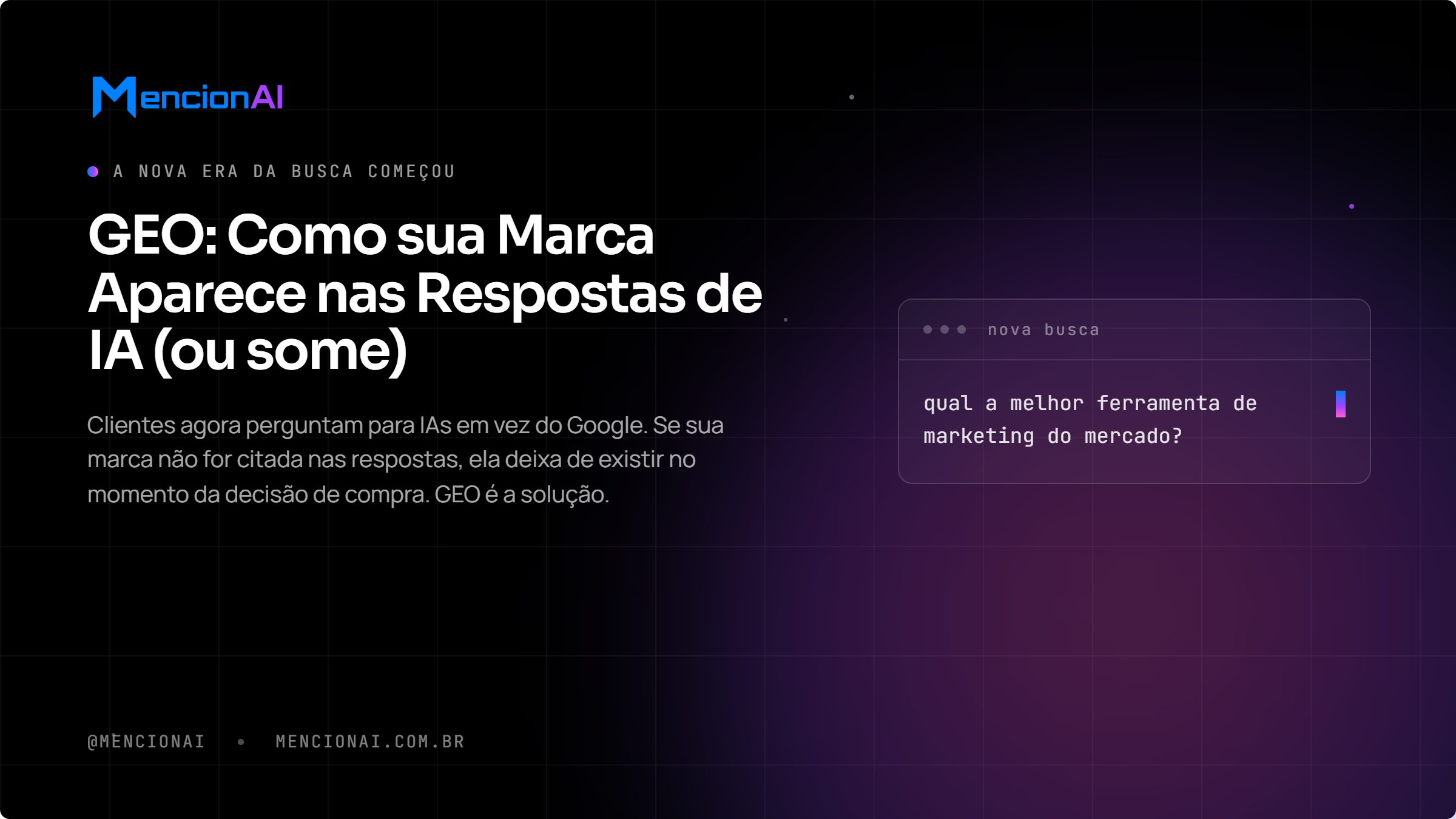
AI-generated hallucinations can distort facts about your brand, leading to incorrect citations in answers from assistants like ChatGPT and Perplexity. Generative Engine Optimization (GEO) emerges as an essential strategy to control these narratives and strengthen positive visibility.
Quick answer
Google Search Central describes E-E-A-T as experience, expertise, authoritativeness, and trustworthiness — trust first. Named authors, first-hand experience, and citations to official docs help people judge who stands behind the page.
Summary
- Hallucinations happen when language models invent plausible but false information about companies, products, or services.
- When an AI cites incorrect data about your company, potential customers may make decisions based on misinformation.
- Optimize content with structured data, detailed FAQs, and authoritative sources to increase the likelihood of accurate citations.
- Platforms like MencionAI let you track how your brand appears in AI responses, identify hallucinations, and adjust content strategies to reinforce correct facts.
- Publish verifiable content regularly, use schema markup, and encourage backlinks from trusted websites.
- As AI evolves, investing in GEO becomes indispensable for maintaining brand integrity.
What are AI hallucinations and why do they matter
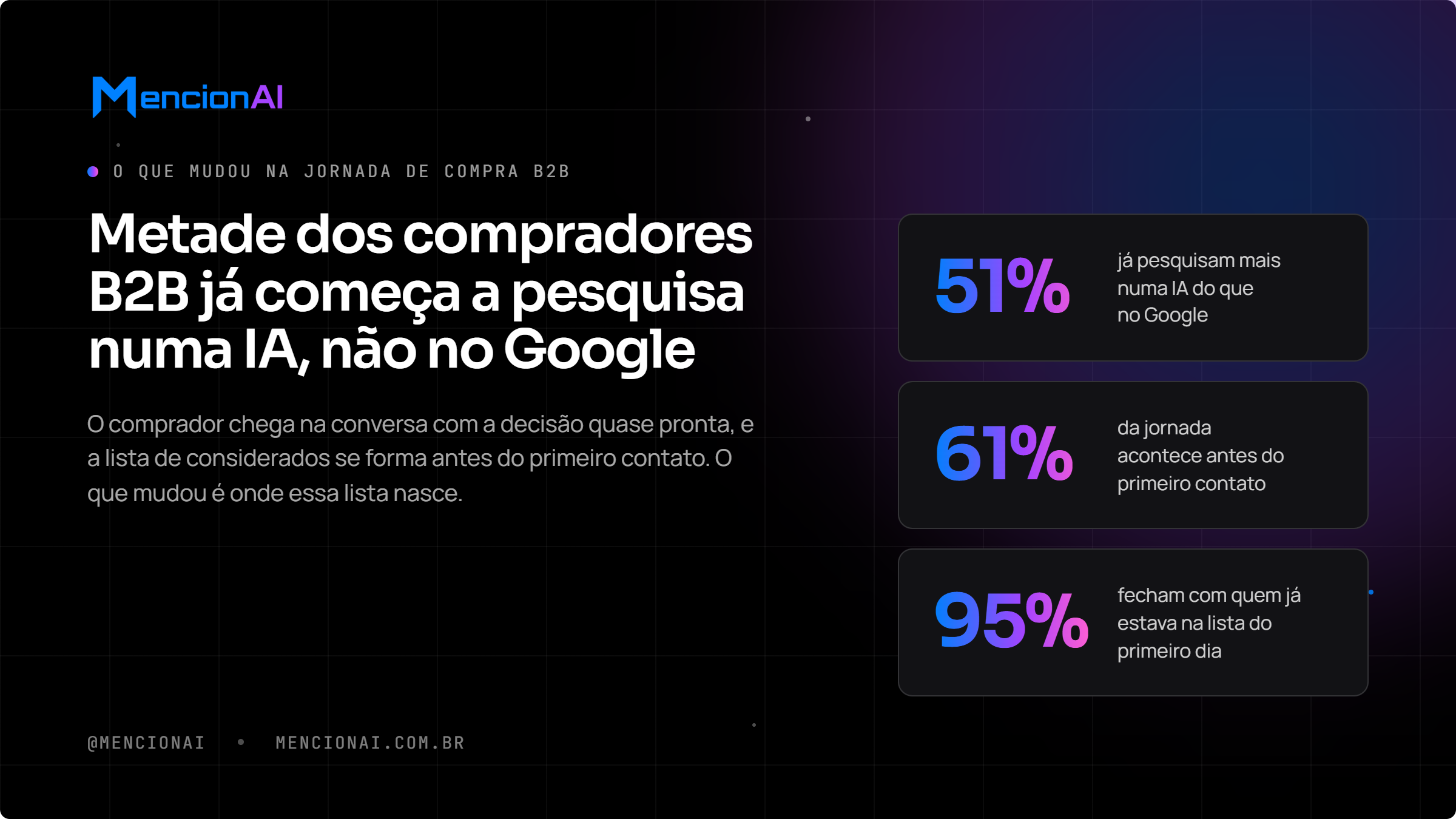
Hallucinations happen when language models invent plausible but false information about companies, products, or services. This directly affects reputation, because users trust generated answers without checking original sources.
Brand reputation risks in generative search
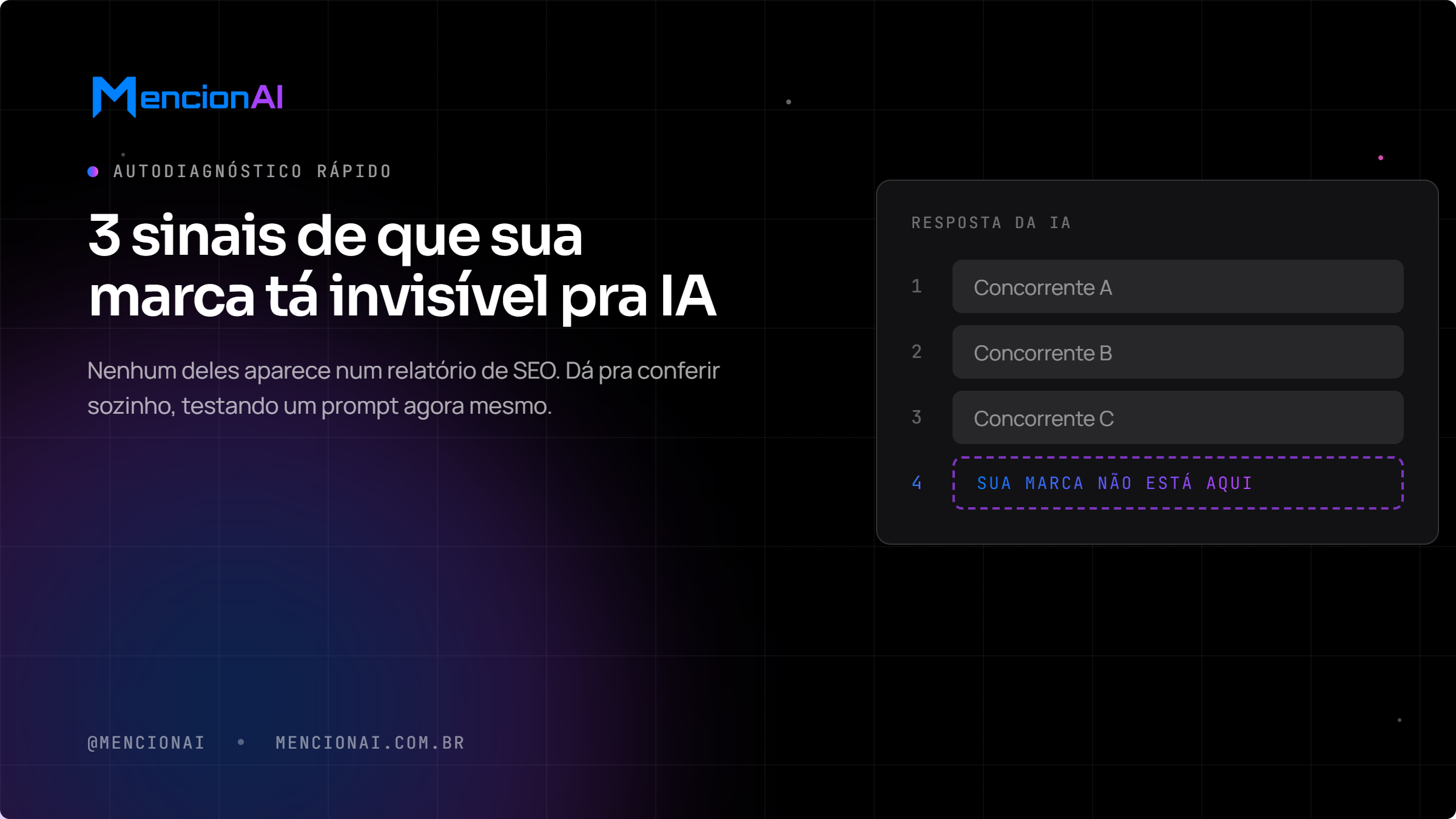
When an AI cites incorrect data about your company, potential customers may make decisions based on misinformation. Brands that do not monitor these occurrences lose control of their narrative in AI search environments.
GEO strategies to mitigate hallucinations
Optimize content with structured data, detailed FAQs, and authoritative sources to increase the likelihood of accurate citations. GEO tools help track mentions and correct inconsistencies in real time.
Citation monitoring and visibility with MencionAI
Platforms like MencionAI let you track how your brand appears in AI responses, identify hallucinations, and adjust content strategies to reinforce correct facts. The competitor radar reveals how competitors are handling the same issue.
The future of brand protection with generative optimization
As AI evolves, investing in GEO becomes indispensable for maintaining brand integrity. The combination of continuous monitoring and proactive optimization ensures your company is represented accurately in every interaction with intelligent assistants.
How to apply this in 30 days (Brazil-first)
Brazilian buyers mix PT-BR and English prompts. Treat Brazil as the primary market even when you also ship English pages.
- Baseline 10 buyer-intent prompts in Portuguese and English across ChatGPT, Gemini, Claude, Perplexity, Grok, and DeepSeek.
- Ship one comparison page and one FAQ hub with stable heading IDs, using buyer language such as “melhor X para PME no Brasil”.
- Publish /llms.txt and allow documented AI crawlers only — do not invent tokens for Grok or DeepSeek.
- Re-scan weekly and map citation gaps to the next content change.
MencionAI tracks those models for marketing and growth teams in Brazil so you can see which answers cite you after each ship.
FAQ
What is E-E-A-T and how does it help AI citations?
Google Search Central describes E-E-A-T as experience, expertise, authoritativeness, and trustworthiness — trust first. Named authors, first-hand experience, and citations to official docs help people judge who stands behind the page. Structured data is not required for AI Overviews, but Article, Person, and Organization markup still help Search understand the author and publisher.