Myths and Truths about GEO: What Really Works for AI Visibility
MencionAI Blog Pedro Vianna Quintian
MencionAI Blog Sep 14, 2026 · 3 min read / GEO
I receive questions about GEO every week, and many mix myth with truth without realizing it. I’ve separated the most common ones, the way I really see them working in practice.
Quick answer
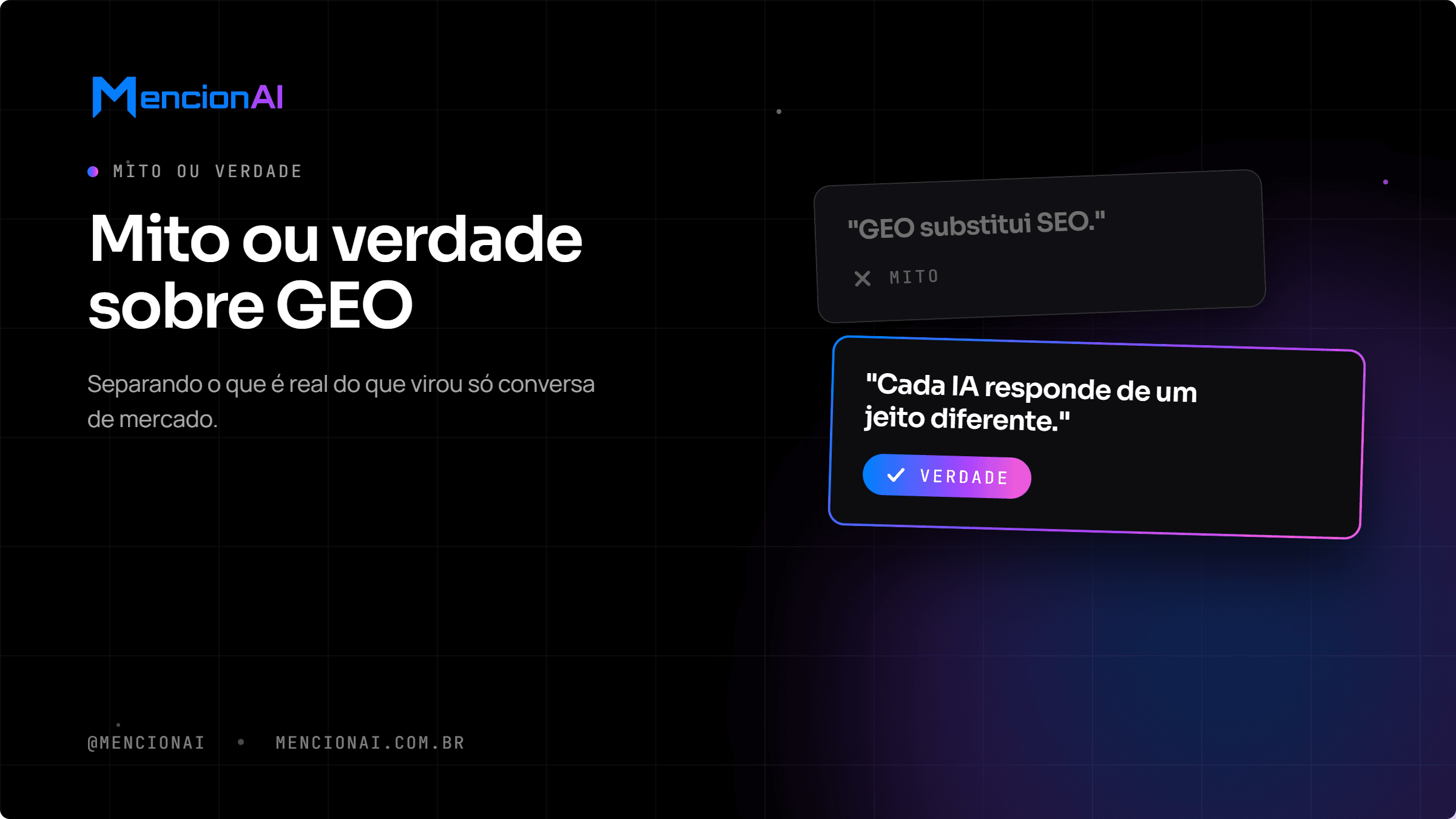
No. SEO ranks links on a results page. GEO measures whether your brand is cited inside AI answers on ChatGPT, Gemini, Claude, Perplexity, Grok, and DeepSeek.
Summary
- I hear this all the time. The confusion makes sense because both deal with visibility, but they compete for different spaces.
- In classic SEO, links are king. In GEO, what counts is appearing as a source that the AI trusts to build the answer.
- Repeating terms doesn’t help as it used to.
- The answer that AI gives you changes over time because the model reprocesses with each question.
- Writing well helps, but it doesn’t solve everything on its own.
- Monitoring is about comparing, not just looking at your own brand.
Myth 1: GEO is the same as SEO, just with a new name
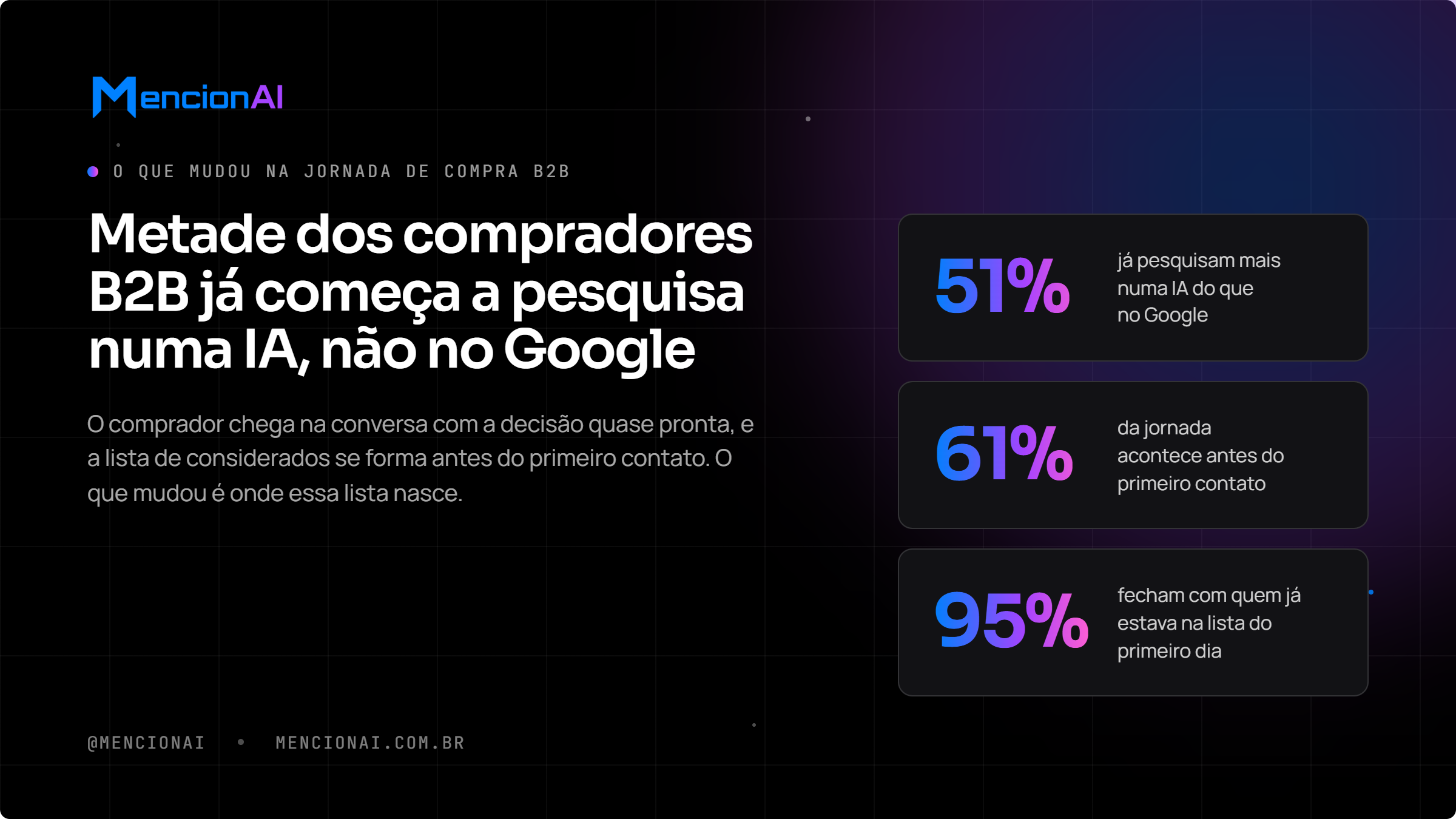
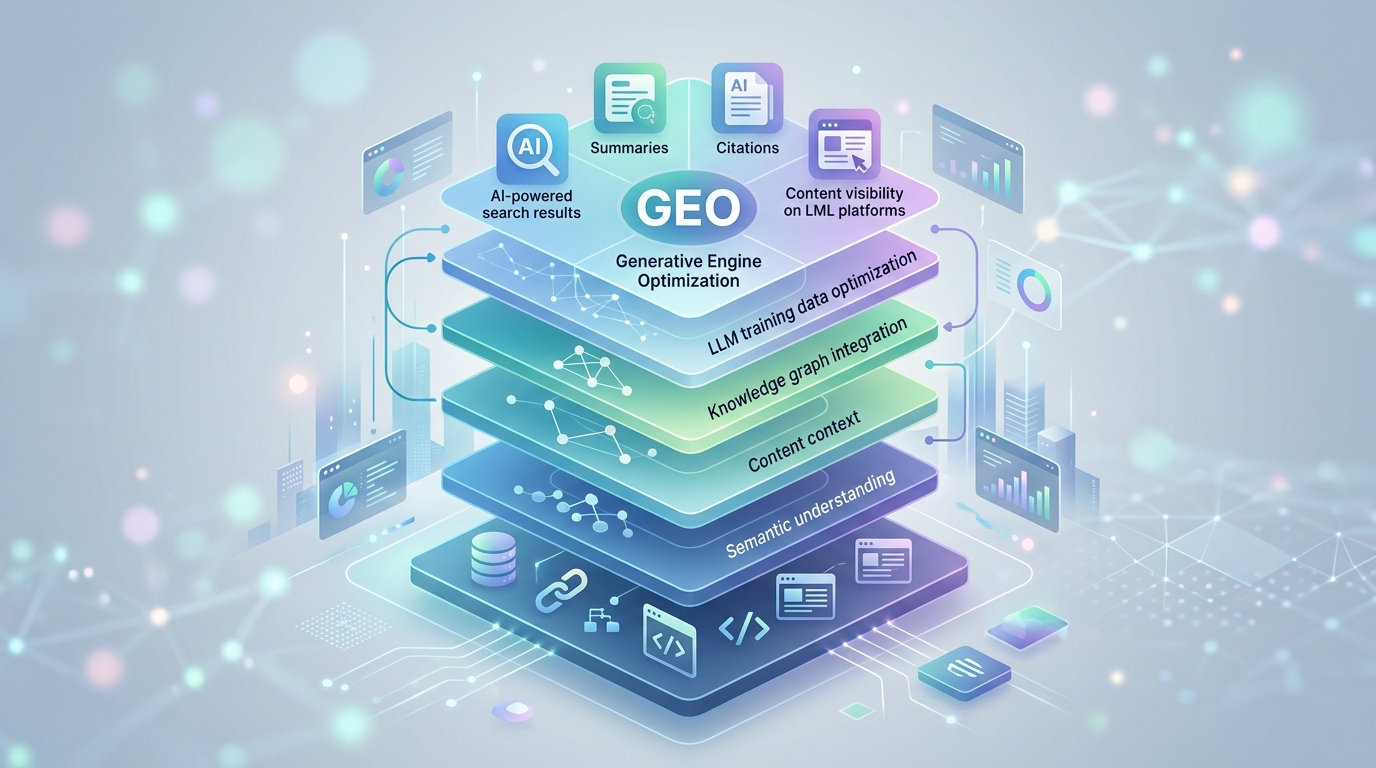
I hear this all the time. The confusion makes sense because both deal with visibility, but they compete for different spaces. SEO ranks links on the search page. GEO decides if your brand appears in the answer that AI already provides, with no clicks involved in between.
Truth 1: what matters here is citation, not link
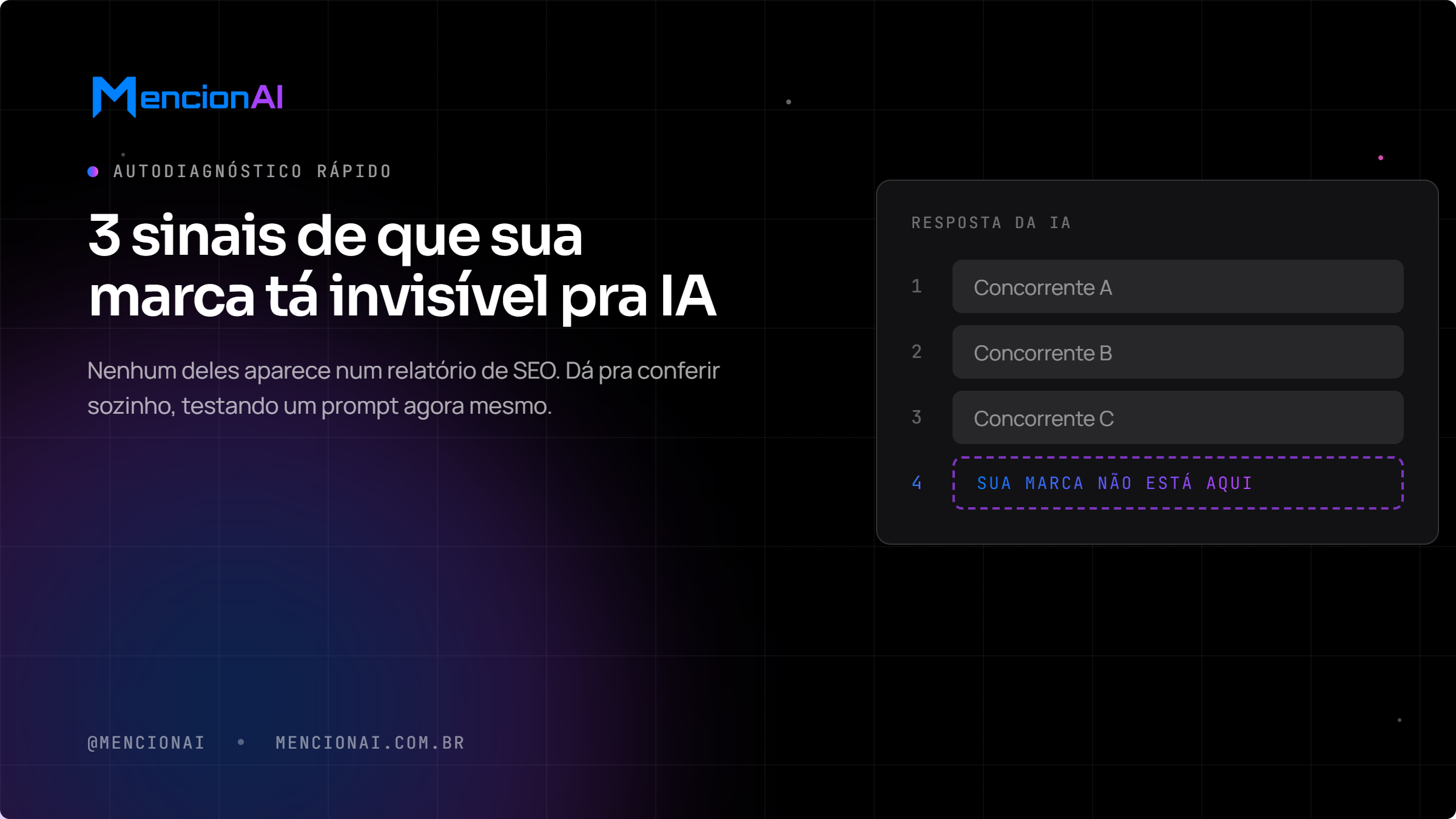
In classic SEO, links are king. In GEO, what counts is appearing as a source that the AI trusts to build the answer. We see this every day running prompts in the tool itself: those with structured pages and clear source content appear, while those without disappear from the answer.
Myth 2: keywords still decide everything
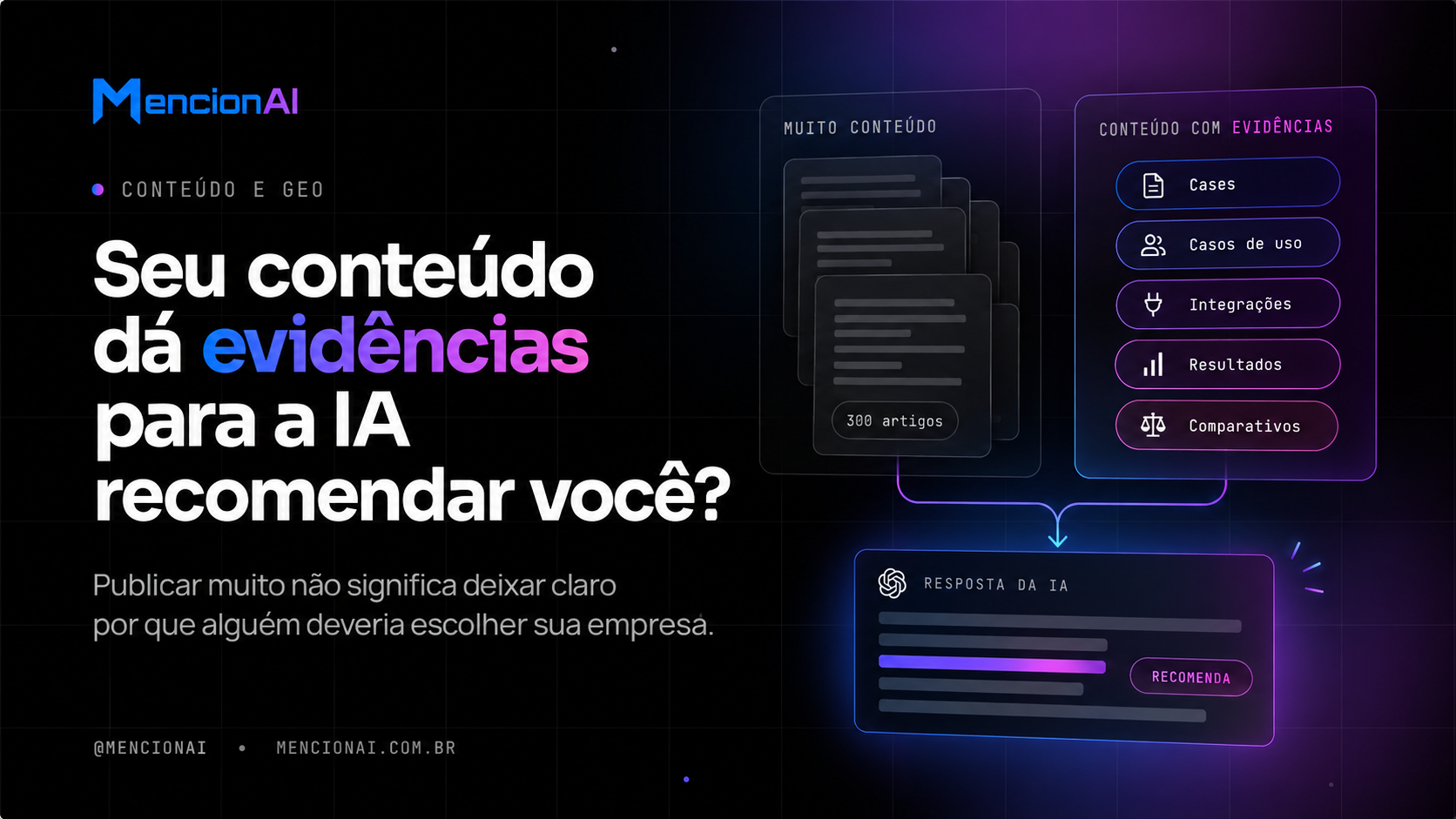
Repeating terms doesn’t help as it used to. The AI model reads context, not how many times a word appears in the text. Content that answers a specific question, with practical examples and updated data, has a better chance of being cited than text optimized just to hit keywords.
Truth 2: without direct monitoring, you don’t know where you stand
The answer that AI gives you changes over time because the model reprocesses with each question. What worked three months ago may no longer work. That’s why we built MencionAI to track this every day, across multiple AIs at once, instead of relying on a one-time check that is already outdated.
Myth 3: writing well solves everything
Writing well helps, but it doesn’t solve everything on its own. The AI model builds the answer based on real mentions on the web, reliable sources, and structured data. Without this behind it, a well-written text sits idle waiting to be found.
Truth 3: while you’re not looking, someone is already ahead
Monitoring is about comparing, not just looking at your own brand. We do this in MencionAI prompt by prompt, comparing you with those competing for the same space, to show exactly where one appears and the other does not.
What you can do with this now
Separating myth from truth already helps you avoid wasting time on tactics that don’t change anything. The next step is to monitor your brand methodically, not just once.
With this in mind, we built MencionAI. We monitor how and when your brand appears in the main AIs every day, and provide a practical action plan for each gap found.
If you want to see how this works for your brand, just schedule a demo.
Pedro, CMO of MencionAI
FAQ
Is GEO a replacement for SEO?
No. SEO ranks links on a results page. GEO measures whether your brand is cited inside AI answers on ChatGPT, Gemini, Claude, Perplexity, Grok, and DeepSeek.
What should we publish first for AI citations?
Comparison pages, FAQ hubs with stable anchors, llms.txt, and Organization schema — then re-scan the same prompts.
What is E-E-A-T and how does it help AI citations?
Google Search Central describes E-E-A-T as experience, expertise, authoritativeness, and trustworthiness — trust first. Named authors, first-hand experience, and citations to official docs help people judge who stands behind the page. Structured data is not required for AI Overviews, but Article, Person, and Organization markup still help Search understand the author and publisher.