
AI Micro-Moments: How to Capture Consumer Attention in Generative Answers
MencionAI Blog Vinícius Guimarães de Oliveira
MencionAI Blog May 25, 2026 · 6 min read / AEO
Generative answers are changing the path from intent to decision. Instead of a list of links, the consumer gets a ready-made, contextual, and increasingly actionable response — and that creates a new battle for attention in just a few seconds: AI micro-moments.
Quick answer
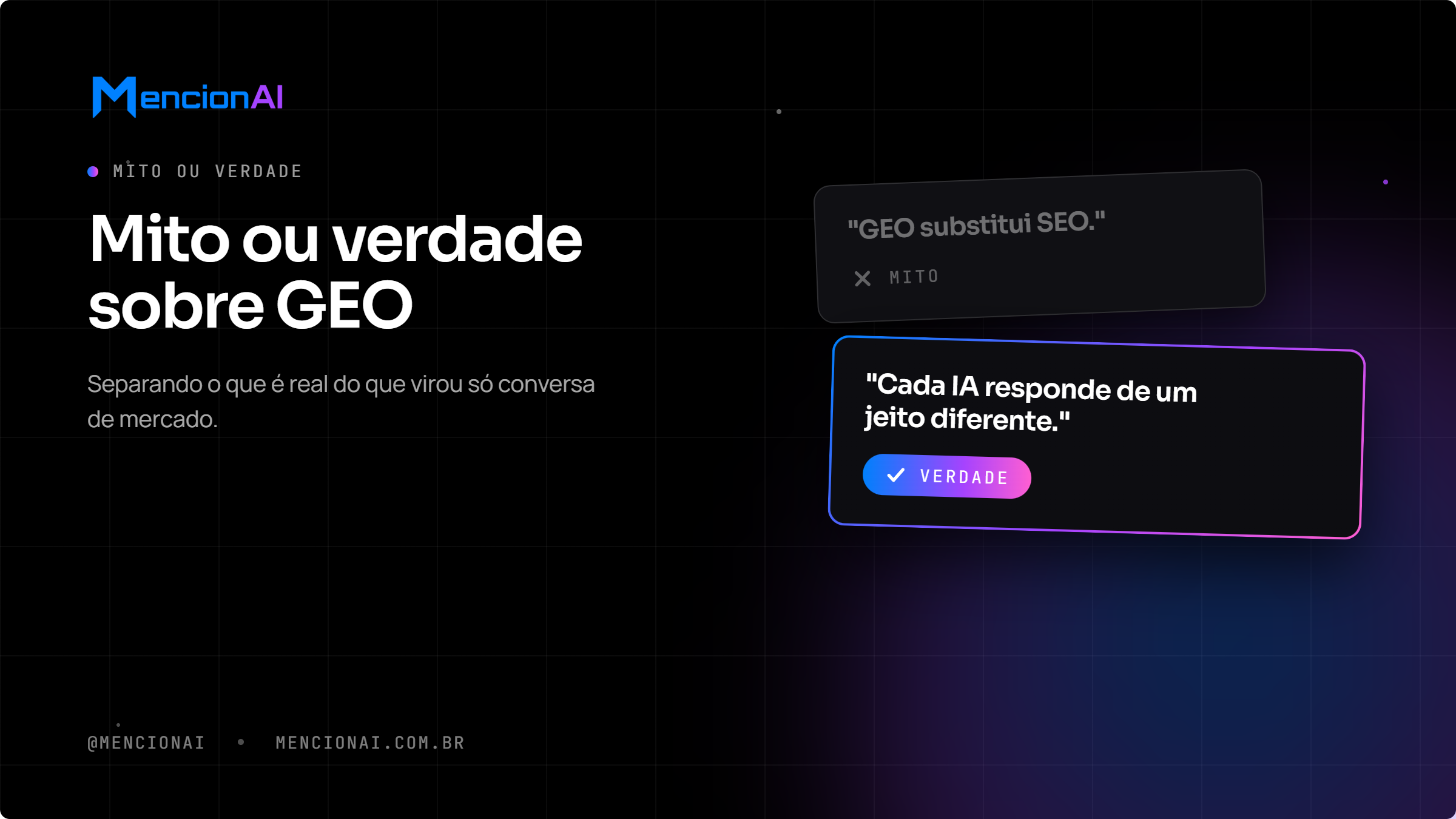
No. SEO ranks links on a results page. GEO measures whether your brand is cited inside AI answers on ChatGPT, Gemini, Claude, Perplexity, Grok, and DeepSeek.
Summary
- AI micro-moments are brief moments when a user asks a question with clear intent and expects an immediate response from a generative assistant.
- AI micro-moments concentrate high intent into a small space.
- AI assistants do not choose content based only on traditional popularity.
- 1. Answer highly specific questions Micro-moments are born from concrete doubts.
- When AI summarizes the market, it acts as a kind of trust intermediary.
- Traditional KPIs are still useful, but they are not enough.
What are AI micro-moments?
AI micro-moments are brief moments when a user asks a question with clear intent and expects an immediate response from a generative assistant. They happen when someone wants to discover, compare, learn, decide, or act without navigating through multiple pages.
In practice, this means the journey has shifted from “search and click” to “ask and trust.” The assistant summarizes, compares sources, recommends options, and in many cases influences the final choice before the user even visits a website.
For brands, this is crucial: visibility no longer depends only on ranking well, but on being cited, summarized, and recognized as a trusted source within the answer.
Why these micro-moments matter for marketing
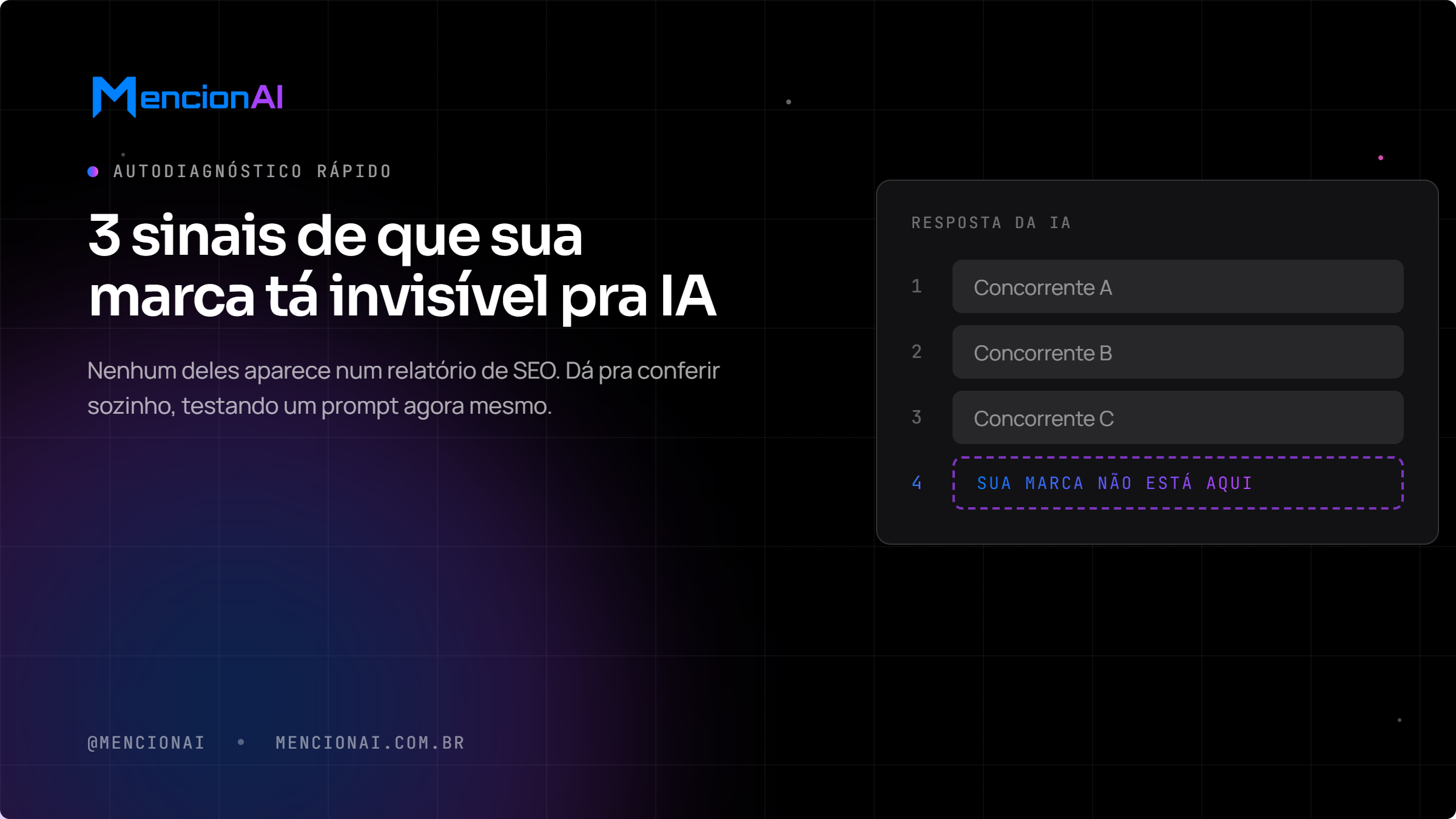
AI micro-moments concentrate high intent into a small space. If a consumer asks, “what is the best brand monitoring tool for startups?”, the generative answer may include only two or three options. That drastically reduces the number of opportunities to appear.
This dynamic changes three important things:
-
The battle for attention happens before the click.
The brand needs to be chosen inside the answer, not just later on the landing page. -
Authority and clarity matter more than volume.
Generic content tends to be ignored by models that prioritize specific and consistent sources. -
Fewer positions, more impact.
In synthetic answers, appearing as a reference can create a disproportionate effect on brand perception and qualified traffic.
In GEO terms, AI micro-moments are the new strategic touchpoints for earning mentions, citations, and algorithmic trust.
How generative answers decide what to show
AI assistants do not choose content based only on traditional popularity. They tend to favor pages and entities that demonstrate:
- semantic clarity;
- information consistency;
- enough context to answer a specific question;
- authority and trust signals;
- presence across multiple sources or recurring references.
That means a brand needs to go beyond classic SEO. Content should make it easy to extract answers and reinforce attributes that help the model understand who you are, what you do, and why you deserve to be cited.
In practice, this involves writing with a clear structure, using terms consumers actually search for, and making sure important data — such as differentiators, categories, use cases, and comparisons — is explicit and up to date.
Strategies to capture attention in AI micro-moments
1. Answer highly specific questions
Micro-moments are born from concrete doubts. Instead of focusing only on broad topics, create content for questions such as:
- “which platform tracks AI citations?”
- “how do I know if my brand appears in ChatGPT?”
- “what is the difference between SEO and GEO?”
The closer the language is to the user’s real intent, the greater the chance the response will be used by generative systems.
2. Structure content so it can be summarized easily
Generative answers benefit from well-organized sections. Use:
- short, precise definitions;
- objective lists;
- direct comparisons;
- descriptive headings;
- concrete examples.
Pages that clearly explain “what it is,” “why it matters,” and “how to do it” tend to be more reusable by AI.
3. Build entity authority
It is not enough to talk about the topic; the brand needs to be recognized as a relevant entity within it. To do that:
- keep the company description consistent everywhere;
- publish content that reinforces the same positioning;
- align your website, social channels, directories, and PR;
- use language that connects brand, category, and the problem solved.
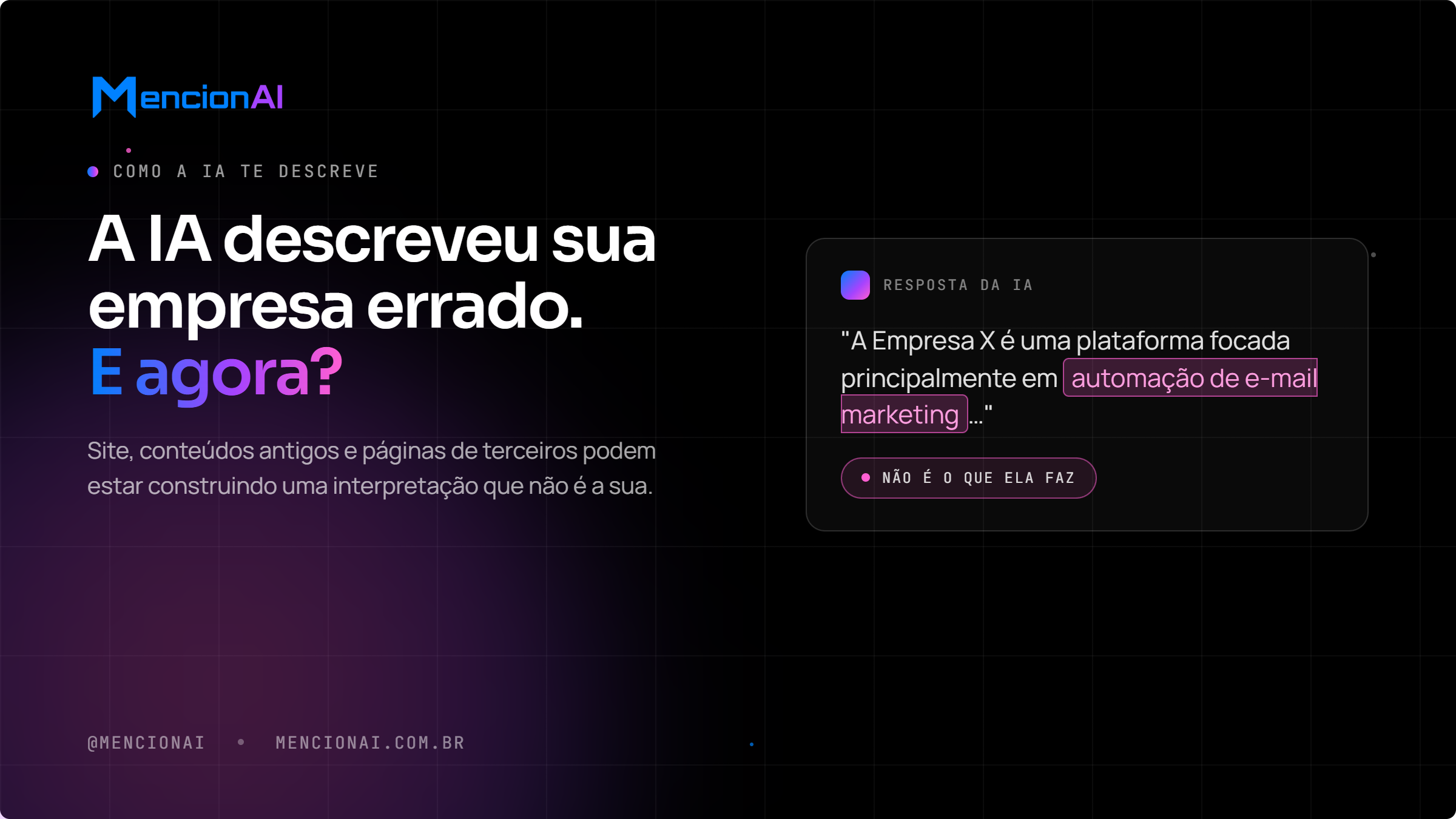
When AI perceives consistency, the chance of associating your brand with a specific category increases.
4. Monitor mentions and visibility gaps
You cannot optimize what you cannot see. AI visibility monitoring tools help identify:
- which questions your brand appears in;
- which answers cite you;
- which competitors occupy that space;
- where there are content and authority gaps.
This kind of radar lets you prioritize opportunities based on real impact, not just search volume.
5. Think in journeys, not just keywords
Micro-moments are part of a sequence: discovery, comparison, validation, and decision. If your brand appears only at the top of the funnel, it may lose relevance at the decisive stage.
Create content that covers different intent states:
- educational for discovery;
- comparison-focused for consideration;
- technical for validation;
- social proof and case studies for decision.
The role of trust in the era of instant answers
When AI summarizes the market, it acts as a kind of trust intermediary. If the consumer receives a short and convincing answer, the perceived quality of the source becomes even more important.
That is why brands that want to win micro-moments need to strengthen credibility signals such as:
- verifiable data;
- testimonials and social proof;
- case studies;
- strong company pages;
- frequent content updates.
In other words: AI does not create trust from scratch. It amplifies the signals that already exist.
How to measure success in AI micro-moments
Traditional KPIs are still useful, but they are not enough. In addition to traffic and conversion, track metrics such as:
- frequency of mentions in generative answers;
- share of voice in high-intent queries;
- relative position versus competitors;
- presence in specific categories and use cases;
- citation rate across different assistants.
These indicators show whether your brand is being remembered and used as a reference when consumers ask decisive questions.
Conclusion: winning at the right moment
AI micro-moments represent a profound shift in digital marketing: consumer attention is being captured in answers, not just on pages. This requires a new discipline of content, visibility, and authority.
Brands that want to be chosen need to be clear, citable, and consistent. In GEO, it is not enough to show up — you need to be the answer AI trusts enough to deliver to the user at the exact moment of decision.
FAQ
Is GEO a replacement for SEO?
No. SEO ranks links on a results page. GEO measures whether your brand is cited inside AI answers on ChatGPT, Gemini, Claude, Perplexity, Grok, and DeepSeek.
What should we publish first for AI citations?
Comparison pages, FAQ hubs with stable anchors, llms.txt, and Organization schema — then re-scan the same prompts.
What is E-E-A-T and how does it help AI citations?
Google Search Central describes E-E-A-T as experience, expertise, authoritativeness, and trustworthiness — trust first. Named authors, first-hand experience, and citations to official docs help people judge who stands behind the page. Structured data is not required for AI Overviews, but Article, Person, and Organization markup still help Search understand the author and publisher.